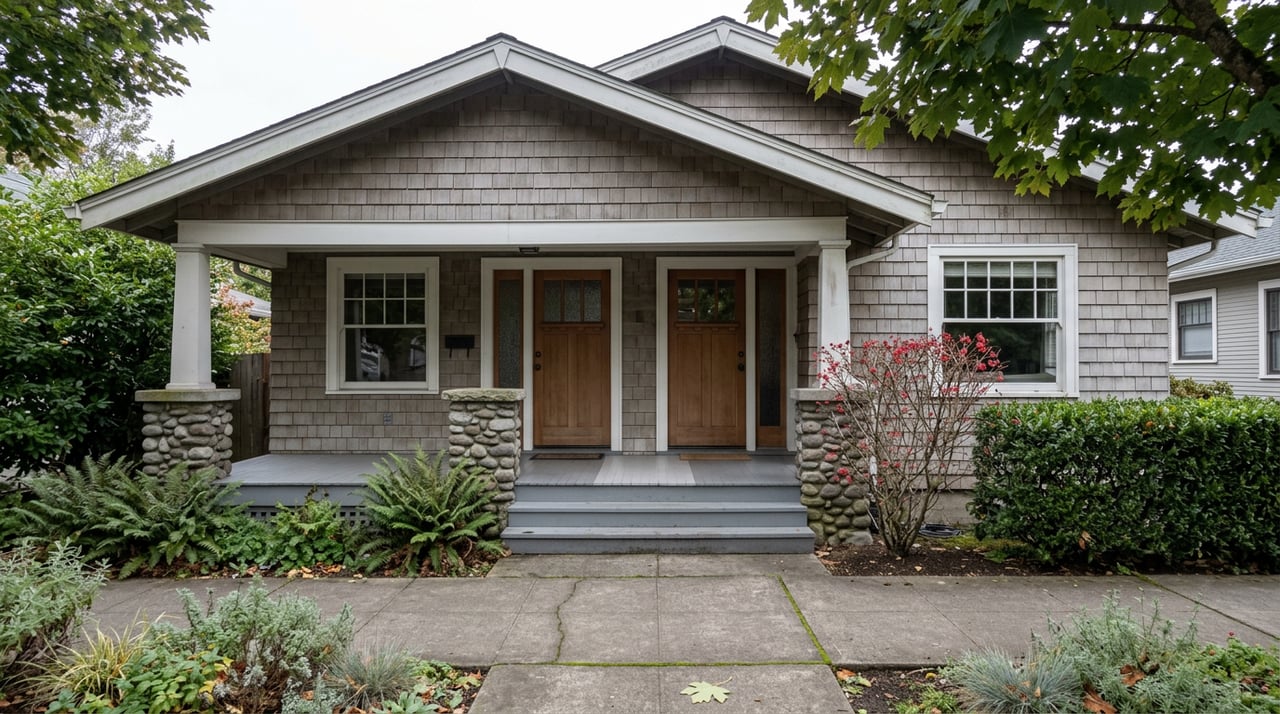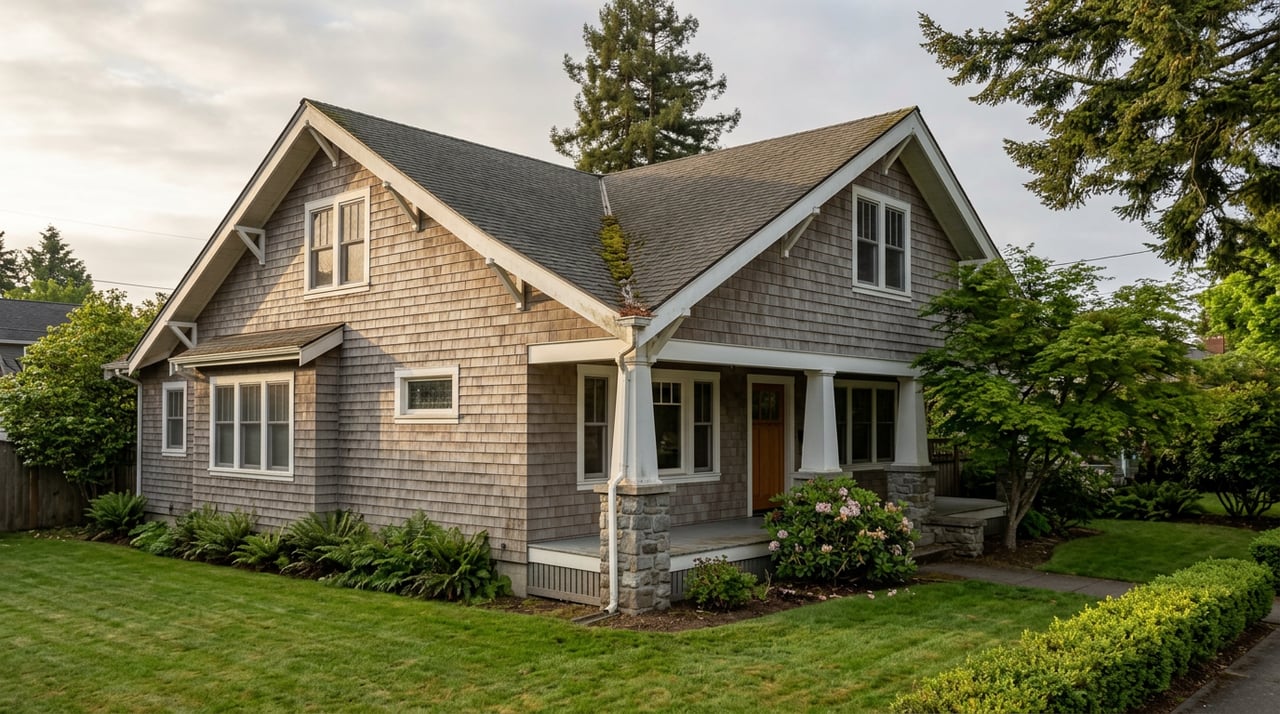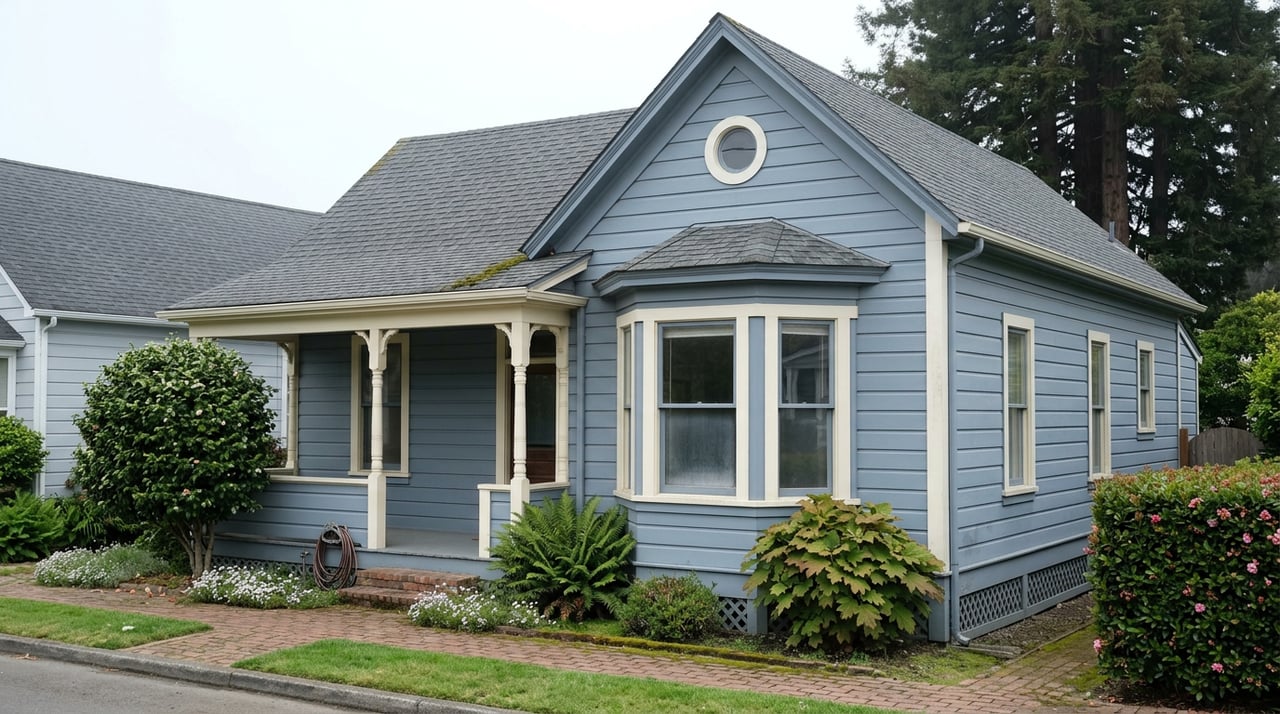
You close on a Victorian on one of Ferndale's residential blocks, hand the sellers their check, and start planning the easy stuff first. New paint on the trim before the moving truck shows up. Maybe a picket fence along the front walk. Nothing structural, nothing that touches the roofline. Just cosmetic.
In most California towns, that plan needs nothing but a weekend and a ladder. In Ferndale, it needs the Planning Commission's approval first, and that commission only meets once a month.
The whole town is the historic district
Ferndale isn't a place with a historic overlay tucked around a few landmark blocks. The entire city was designated a California State Historic Landmark by the Office of Historic Preservation, and the city's own Design Review page states it plainly: property owners inside the historic or design-controlled zones must apply for a permit and get it approved before any outside changes to the property can be made.
That single sentence covers more than most buyers expect. The city's own guidance is specific about what falls under review: painting, fences, decks, and windows. Not additions. Not new construction. Painting.
The legal mechanism behind this is Ferndale's Zoning Ordinance, which established what the code calls the Design Control Combining Zone, or D-Zone, back under Section 6.05. Before any structure "may be erected, structurally altered, or in any way remodeled or improved" in a way that changes its outward appearance, the ordinance requires a Design Review Use Permit. The Planning Commission is the body that reviews the application and issues the findings needed to approve it.
Who actually signs off, and when
The Planning Commission is five people, each serving a four year term, and each required to live inside Ferndale city limits. They are not a rubber stamp committee that meets whenever paperwork piles up. Per the city's posted schedule, the commission meets regularly on the first Wednesday of the month at 6:00pm in the Ferndale Town Hall Lounge at 834 Main Street.
That cadence matters more than it sounds like it should. If your submittal misses the cutoff for a given month's agenda, your paint color or your fence line waits until the next first Wednesday. And the schedule isn't always guaranteed to run on time. Earlier this year, Ferndale's own city calendar shows the February 4, 2026 meeting getting cancelled outright, pushing the next regular session to March 4. A single cancellation can turn a six week wait into a ten week one.
For a buyer who assumed exterior work could start the week after closing, that gap is the first real friction point of owning one of these homes. It has nothing to do with financing, inspection, or title. It's a scheduling calendar with one meeting a month and no guarantee that meeting happens on time.
If you have questions about whether a specific project needs this review, the city directs residents to call the City Clerk directly at (707) 786-4224 before starting anything.
The tax break people assume comes with the house
There's a second assumption buyers often bring to Ferndale, and it deserves just as much scrutiny before closing: the belief that owning a historic Victorian here automatically comes with the property tax break that historic ownership is famous for in California.
That break is the Mills Act, and it's real, but it is not automatic anywhere in the state. The Mills Act is a piece of California legislation that lets local governments enter into contracts with owners of qualified historic properties, trading a reduction in property taxes for the owner's commitment to maintain and restore the building. The catch, and it's a catch that applies statewide, is that each city or county has to adopt the program on its own. The state's Office of Historic Preservation is blunt about this: if your local government doesn't currently participate, your remedy is to ask the planning department to consider adopting it, because nothing forces adoption.
Eureka, the county's largest city just up the highway, runs a documented Mills Act program. The application goes to the city's Development Services Department, gets forwarded to the Historic Preservation Commission for a public hearing, and if approved becomes a contract the City Manager signs and the city records with the Humboldt County Recorder. City staff inspect the property before the contract is finalized, and again every five years after that to confirm the owner is holding up their end.
Ferndale's own city pages describe the Design Review process in detail. They do not describe a parallel Mills Act program. That doesn't prove one doesn't exist in some form, but it means a buyer shouldn't assume the tax incentive travels with the address just because the house sits inside a State Historic Landmark. Historic designation and a Mills Act contract are two separate things, and the second one requires the city to have opted in. If tax relief on a Ferndale purchase matters to your numbers, the only reliable move is calling the city directly and asking whether an active program exists and whether the specific property already carries a contract, since Mills Act agreements run with the property and transfer to a new owner if one is in place.
What this actually changes about timing
Put the two pieces together and the practical picture for a Ferndale purchase looks different from a typical historic-adjacent home elsewhere in Humboldt County.
| Step | Typical Humboldt County home | Ferndale Victorian in the Design Control Zone |
|---|---|---|
| Repaint exterior trim | No permit required | Design Review Permit required, must clear a monthly Planning Commission agenda |
| Replace or add a fence | Building permit only if height triggers it | Design Review Permit required regardless of height, per city guidance |
| Swap window style or material | Standard building permit | Design Review Permit in addition to any building permit |
| Property tax relief for restoration work | Depends on county assessor rules | Depends on whether Ferndale itself has adopted a Mills Act ordinance, unconfirmed publicly as of this writing |
None of this means renovation is impossible or even especially slow once you know the process. It means the sequence is different. A buyer who lines up a contractor for exterior paint the week of closing, expecting to start immediately, is planning around a process that doesn't exist here. A buyer who checks the Planning Commission's meeting calendar before making an offer, and who calls the City Clerk to ask what's already on file for that address, is planning around the one that does.
Before you're under contract on a Ferndale Victorian
A few questions worth asking while you still have room to negotiate or walk away, not after you've closed:
- Has this property had any prior Design Review Use Permit applications, approved or denied, and what do the file notes say about what was and wasn't approved
- Is the property currently under a Mills Act contract, and if so what restoration and maintenance schedule does the seller need to hand off
- What exterior changes are you planning in the first year, and have you checked the Planning Commission's meeting calendar against your timeline
- Does your contractor have experience with Ferndale's D-Zone process specifically, since a submittal that's missing what the commission needs can cost you a full month's delay
None of these questions show up on a standard disclosure form. They're the kind of thing you learn by calling City Hall, and the kind of thing worth confirming before you're emotionally and financially committed to a specific house.
Frequently Asked Questions
Does design review apply to interior remodels? The city's guidance is specific to changes that affect the outward appearance of a structure. Interior work that doesn't touch anything visible from the street falls outside what the Design Review process is built to regulate, though any interior work still needs its own standard building permits.
What if I want to restore a window to its original historic profile rather than change it? The review process exists to evaluate exactly this kind of change, whether it's a departure from the original design or a return to it. The safest step is bringing your plan to the Planning Commission rather than assuming a restoration reads differently than an alteration.
Does this apply to homes just outside Ferndale's city limits that still market as "Ferndale"? The Design Control Zone is a city zoning designation. Properties outside the incorporated city limits fall under Humboldt County's planning rules instead, which is a different process entirely. Confirming whether an address sits inside or outside city limits is worth doing early, since it changes which set of rules applies.
How long does a typical Design Review Use Permit take from submission to decision? The city hasn't published a fixed number for a project of a given size, since it depends on the agenda backlog and whether the commission requests revisions. Given the monthly meeting schedule and the possibility of a cancelled session, a conservative buyer should plan for at least two monthly cycles between submission and approval.
If you're weighing a Ferndale Victorian against other Humboldt County towns, or you already have one under contract and want a clearer read on what the design review process means for your specific renovation plans, the team at Coldwell Banker Cutten Realty has walked local buyers through this exact process before. Contact us today to talk through your timeline before you're locked into one you didn't plan for.